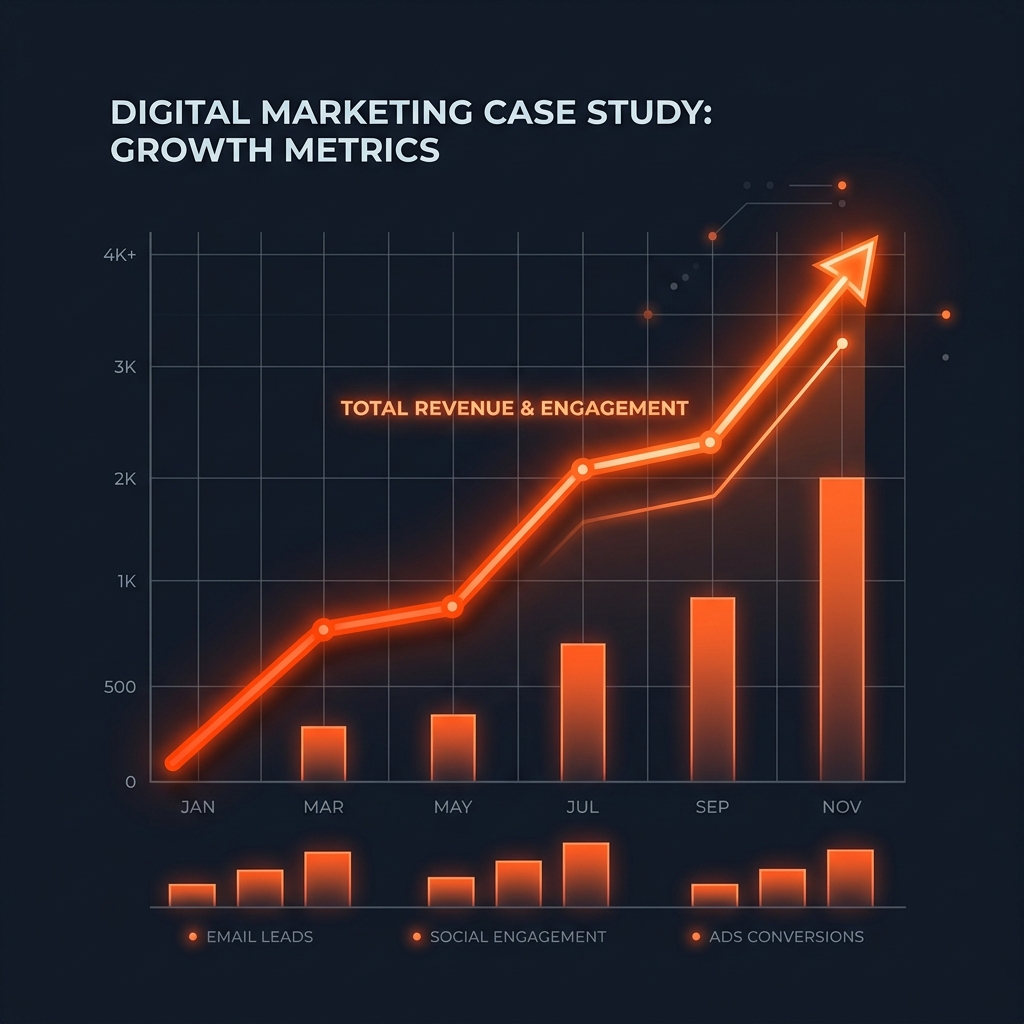
Most marketing organizations treat SEO and Paid Media (PPC) as two entirely separate channels. They have separate budgets, separate agencies, and separate KPIs. This structural silo is a costly mistake. By unifying our search strategy for an enterprise B2B SaaS client, we engineered a unified search campaign that tripled organic traffic and reduced overall acquisition cost within 90 days.
The Problem: Channel Cannibalization and Information Silos
Our client, a high-growth platform in the logistics space, was spending over $35,000 per month on Google Ads, targeting high-intent keywords. Concurrently, their content team was producing SEO articles targeting similar topics. However, because the teams never shared data:
- Paid ads were bidding heavily on keywords where the client already ranked #1 organically, resulting in unnecessary click costs.
- The SEO team had no visibility into which high-converting keywords were driving PPC sales, leading them to write articles about low-value traffic terms.
- Landing page conversion findings from A/B tests on paid traffic were never applied to high-traffic SEO pages.
The Solution: The Unified Search Framework
Compass Solutions deployed our proprietary Unified Search Framework, connecting SEM and SEO operations. The project was executed in three primary phases:
Phase 1: Shared Keyword Intelligence
We merged Search Console organic query data with Google Ads keyword conversion data. We quickly identified 14 high-conversion search terms that were driving 60% of PPC sales but had zero organic rankings. We immediately shifted the SEO content roadmap to prioritize these high-value terms, building landing pages designed to capture organic rankings long-term.
Phase 2: Bid Suppression and SERP Domination
For keywords where we successfully captured the top organic spots, we ran statistical experiments. We temporarily turned off paid bids for keywords where our organic listings were dominant. In some cases, organic traffic absorbed 95% of the clicks, allowing us to redirect that paid budget to terms where our organic presence was weak. For high-competition transactional keywords, we kept both PPC and SEO active, effectively taking up multiple slots on the screen and crowding out competitors.
Phase 3: Landing Page CRO Synchronization
We took the winning headlines and call-to-action designs from our highest-converting paid search landing pages and applied them to our top organic blog posts. Since organic readers typically have a different intent than paid clickers, we refined the layouts to support informational readers while maintaining clear transition pathways into product trials.
The Results
By breaking down the walls between search channels, the client achieved remarkable growth:
Unifying search engine marketing is no longer optional. When you sync search intent, keyword data, and conversion optimization, you unlock compounding growth that single-channel approaches simply cannot match.