
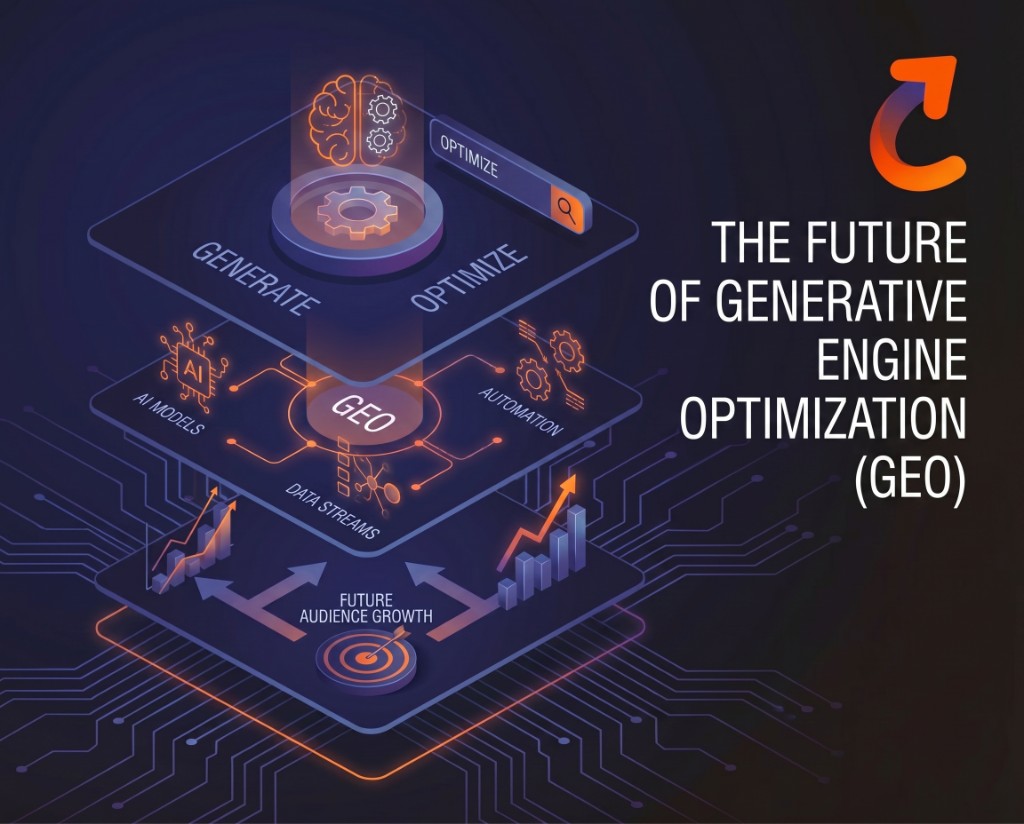
The search landscape is undergoing its most radical transformation since the indexing of the web. Search engines are no longer just directories of links; they are answer engines. Users are moving from Google query bars to conversational chats in SearchGPT, Perplexity, Gemini, and Copilot. In this new era, traditional Search Engine Optimization (SEO) must expand into Generative Engine Optimization (GEO).
What is Generative Engine Optimization?
GEO is the discipline of optimizing digital content so that Large Language Models (LLMs) and generative search systems retrieve, cite, and recommend your brand or service when answering user inquiries. Rather than ranking #1 on a blue link page, the new objective is to be the trusted source cited in the paragraph answer generated by an AI agent.
"In 2026, visibility isn't about being on the first page of search results. It's about being in the context window of the AI answering the question."
The Mechanics of LLM Retrieval
AI search models use Retrieval-Augmented Generation (RAG) to find answers. When a user asks a question, the search engine converts the query into a vector representation, searches its index for semantically matching passages, pulls those passages into the model's context window, and synthesizes a response. To make sure your brand is included in that synthesis, you must understand three core factors:
- Semantic Density: Using clear, precise language that directly matches the semantic meaning of complex user intents.
- Structural Authority: Publishing clear tables, structured JSON-LD schemas, and statistical data that LLMs can easily extract to support their arguments.
- Brand Association: Building co-occurrence mentions of your brand alongside industry keywords across high-authority external platforms.
Key GEO Strategies for 2026
To prepare your website for AI retrieval, you should focus on the following core optimizations:
1. Direct Answer Optimization (DAO)
Structure your content to explicitly answer common industry questions early in your articles. Use a clean Q&A layout. LLMs favor concise, authoritative definitions that they can directly quote in responses. Avoid fluff and write sentences that stand alone logically.
2. Schema Markup and JSON-LD
Technical schema is more critical than ever. Provide structured data for products, FAQs, reviews, and corporate profiles. AI search crawlers use structured data as a shortcut to verify facts without having to parse natural language, increasing the likelihood of accurate citations.
3. Citational Authority
If multiple sources say the same thing, AI engines cite the one with the highest topical authority and reputation. Focus on earning citations in industry directories, premium publications, and academic references. LLMs cross-reference information; the more consistent your brand data is across the web, the more trusted it becomes.
Measuring Success in a GEO World
Traditional metrics like impressions and click-through rates (CTR) are becoming secondary. In 2026, we track Share of Voice in LLMs (SOVL). This involves using automated scripts to query LLMs across different personas and monitoring how often your brand is mentioned, the sentiment of the citation, and the percentage of links referring back to your landing pages.
At Compass Solutions, we've integrated GEO audit tooling directly into our Marketing Dashboard systems to help our clients claim their place in the generative search landscape before their competitors adapt.